Knee pain is often dismissed as a normal part of aging or a temporary result of physical activity. However, persistent discomfort in the knee joint can sometimes be an early warning sign of arthritis. Recognizing these symptoms early can help prevent further joint damage and improve your quality of life. If you are experiencing ongoing knee issues, seeking the Best Knee Arthritis Treatment in Gurugram at the right time can make a significant difference in managing the condition effectively.
For fast information, contact us on WhatsApp.
Knee arthritis is a common condition that affects people of all age groups, although it is more prevalent among older adults. The disease gradually wears down the protective cartilage in the knee joint, leading to pain, stiffness, and reduced mobility. Understanding the early signs can help you take timely action and receive appropriate care.
Understanding Knee Arthritis
Knee arthritis occurs when the cartilage that cushions the bones in the knee begins to deteriorate. As the cartilage wears away, the bones may rub against each other, causing pain and inflammation. The most common forms of knee arthritis include osteoarthritis, rheumatoid arthritis, and post-traumatic arthritis.
Early diagnosis and intervention can slow disease progression and improve joint function. This is why many specialists recommend seeking the Best Knee Arthritis Treatment in Gurugram as soon as symptoms begin to affect daily activities.
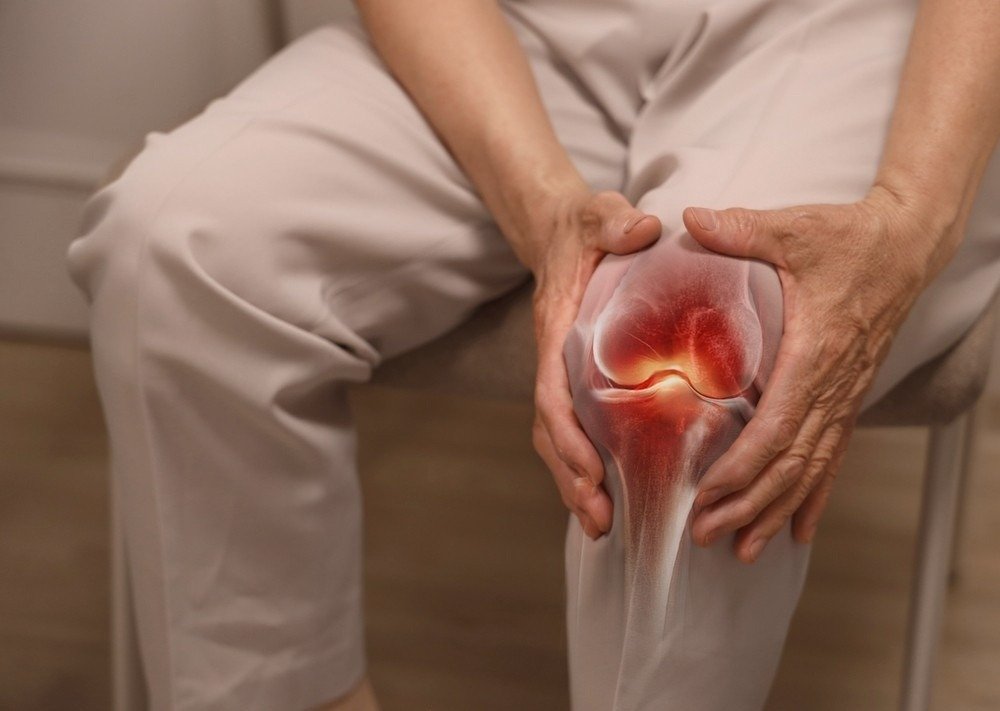
Persistent Knee Pain
One of the earliest and most noticeable signs of knee arthritis is persistent knee pain. Initially, the pain may occur only after physical activity, such as walking long distances, climbing stairs, or exercising. Over time, the discomfort may become more frequent and occur even during periods of rest.
Unlike temporary muscle soreness, arthritis-related pain tends to persist for weeks or months. If knee pain repeatedly interferes with your routine, it may be time to consider the Best Knee Arthritis Treatment in Gurugram.
Morning Stiffness in the Knee
Do you find it difficult to move your knee when you wake up in the morning? Morning stiffness is a classic symptom of knee arthritis. Many patients notice that their knees feel tight and less flexible after prolonged periods of inactivity.
Although the stiffness often improves with movement, recurring episodes can indicate underlying joint degeneration. Early medical evaluation can help identify the cause and prevent worsening symptoms.
Swelling Around the Knee Joint
Inflammation caused by arthritis frequently leads to swelling around the knee. The affected joint may appear larger than usual and feel tender to the touch. Some people also experience warmth around the knee due to increased inflammation.
Swelling that occurs repeatedly or remains present for an extended period should not be ignored. Professional assessment and the Best Knee Arthritis Treatment in Gurugram can help reduce inflammation and protect joint health.
Difficulty Climbing Stairs
Many people with early-stage knee arthritis notice discomfort while climbing or descending stairs. The knee joint experiences significant pressure during these activities, making arthritis symptoms more apparent.
If simple daily tasks such as using stairs become painful or challenging, it may indicate that the cartilage in your knee is beginning to deteriorate. Early treatment can help preserve mobility and prevent further joint damage.
Reduced Range of Motion
Healthy knees allow smooth and unrestricted movement. Arthritis can gradually reduce the knee’s flexibility, making it difficult to bend, straighten, or rotate the joint fully.
You may notice difficulty sitting cross-legged, squatting, or getting up from a chair. A reduced range of motion often develops gradually, making it easy to overlook. Seeking the Best Knee Arthritis Treatment in Gurugram can help improve joint flexibility and function.
Grinding or Popping Sensations
A grinding, clicking, or popping sensation in the knee is another common sign of arthritis. This symptom, known as crepitus, occurs when roughened joint surfaces rub against each other during movement.
While occasional joint noises are not always concerning, frequent grinding accompanied by pain or stiffness may indicate cartilage loss. An orthopedic evaluation can help determine the underlying cause.

Knee Weakness and Instability
Arthritis can weaken the muscles and structures that support the knee joint. As a result, some individuals experience a feeling that the knee may “give way” while walking or standing.
This instability can increase the risk of falls and injuries. Addressing the issue early through the Best Knee Arthritis Treatment in Gurugram can strengthen joint support and improve confidence in movement.
Pain During Weather Changes
Many arthritis sufferers report increased knee pain during cold or damp weather. Although the exact reason remains unclear, changes in atmospheric pressure may influence joint tissues and trigger discomfort.
If you consistently notice worsening symptoms during weather changes, it may be another indication that arthritis is developing in your knee.
Difficulty Walking Long Distances
As knee arthritis progresses, walking long distances can become increasingly difficult. Patients often experience pain, stiffness, or fatigue after a short period of walking.
You may find yourself needing frequent breaks or avoiding activities you once enjoyed. Early diagnosis and treatment can help maintain mobility and independence.
Risk Factors That Increase the Chances of Knee Arthritis
Several factors can contribute to the development of knee arthritis, including:
Age
The risk of arthritis increases as the body ages and joint cartilage naturally wears down.
Excess Weight
Carrying extra body weight places additional stress on the knee joints, accelerating cartilage deterioration.
Previous Knee Injuries
Sports injuries, fractures, and ligament damage can increase the likelihood of developing arthritis later in life.
Family History
A genetic predisposition may make some individuals more susceptible to arthritis.
Repetitive Joint Stress
Occupations or activities involving frequent kneeling, squatting, or heavy lifting can contribute to joint wear and tear.
Why Early Treatment Matters
Ignoring the early signs of knee arthritis can lead to progressive joint damage and increasing pain. Timely intervention helps manage symptoms, preserve mobility, and delay the need for more invasive procedures.
Modern treatment options may include lifestyle modifications, physical therapy, medications, regenerative therapies, and advanced orthopedic care. Choosing the Best Knee Arthritis Treatment in Gurugram ensures a personalized approach based on your condition and lifestyle needs.
When Should You Consult an Orthopedic Specialist?
You should consider consulting a specialist if you experience:
- Persistent knee pain lasting several weeks
- Recurrent swelling around the knee
- Difficulty walking or climbing stairs
- Reduced knee flexibility
- Grinding sensations during movement
- Knee instability or weakness
- Symptoms that interfere with daily activities
Early consultation allows for accurate diagnosis and effective treatment planning before the condition becomes severe.
Conclusion
Knee arthritis often develops gradually, making it easy to overlook its early warning signs. Persistent pain, stiffness, swelling, reduced mobility, and instability should never be ignored. Recognizing these symptoms early can help prevent long-term joint damage and improve overall quality of life.
If you are experiencing any of these signs, seeking the Best Knee Arthritis Treatment in Gurugram can help you receive timely diagnosis and effective care. At Ortho Plus Care, expert orthopedic evaluation and personalized treatment plans can help you manage knee arthritis, reduce discomfort, and maintain an active lifestyle for years to come.